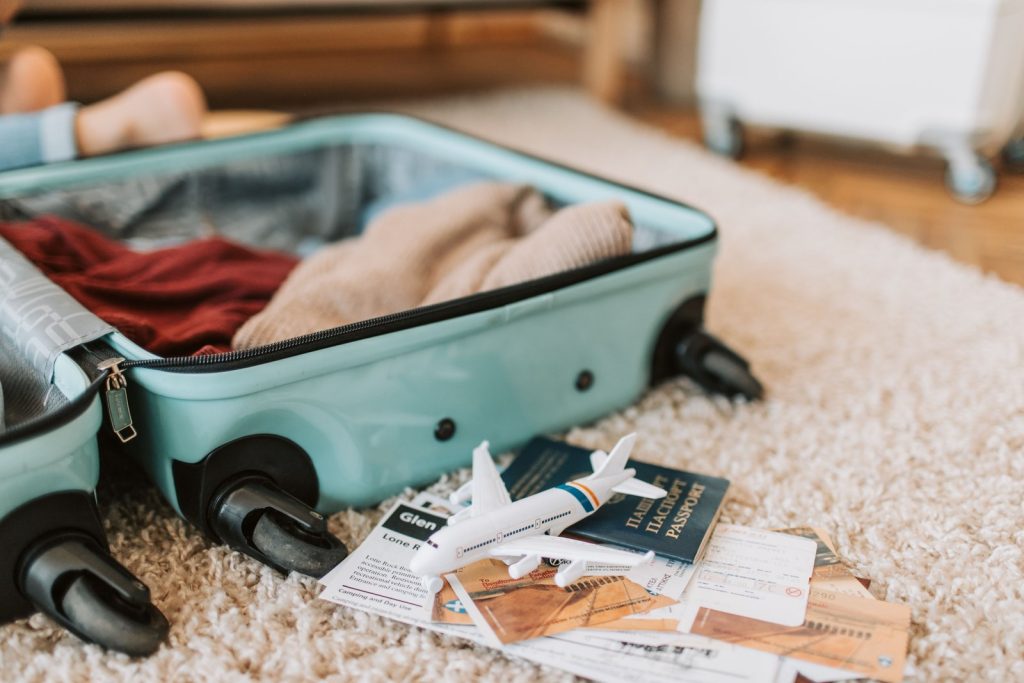
Traveling often means unfamiliar streets, new routines and carrying more valuables than usual. A little planning keeps the trip about the destination. The same ideas apply to a weekend away and to a longer journey: tell someone your plan, keep documents and money in more than one place, and give yourself a way to get help if something goes wrong.
Before you go
- Share your itinerary with someone at home and agree when you will check in. Include where you are staying and how you can be reached if your phone fails.
- Read official travel advice for your destination from your own government, including entry requirements, local laws, and any current warnings. Advice can change, so read it again shortly before you leave.
- Keep digital copies of your passport, tickets and insurance details somewhere you can reach if your phone is lost — for example a secure cloud folder, or a copy left with the person who has your itinerary. A paper copy in a different bag is also useful.
- Take any regular medicines in your carry-on bag, in the original packaging if you can, along with a note of the prescription. Pack a little more than the trip requires in case of delay.
- Check that your travel insurance, if you have it, covers what you plan to do, and keep the policy number and emergency contact with your documents.
- Make sure your phone will work at the destination or that you have another way to call and get online, and take a charger and a small power bank.
If you are traveling abroad, look up the contact details of your country’s embassy or consulate in that destination and save them offline. They cannot fix every problem, but they can often advise if a passport is lost, or if you need a list of local doctors or lawyers.
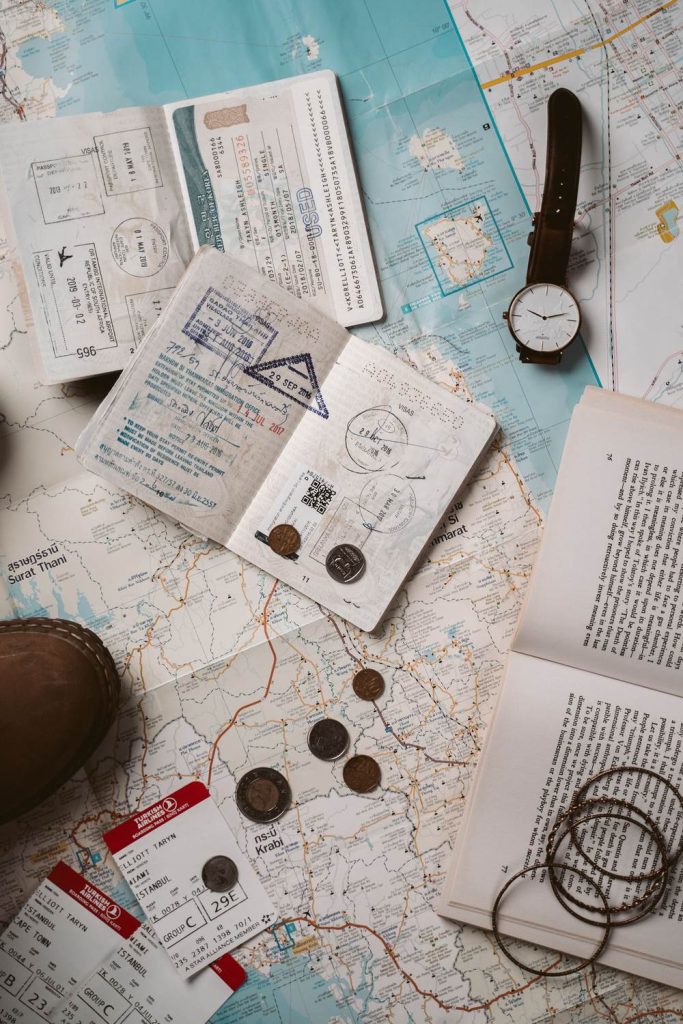
Money and documents
- Split cards and cash between two places, so one lost bag does not leave you stuck. Keep a backup card separate from the one you use day to day.
- Use the hotel safe or keep your passport in an inside pocket rather than a back pocket or an open bag. Carry only the documents and cash you need for the day.
- Take a photograph of the cards you are traveling with (front and back, stored securely) so you have the numbers to report a loss. Do not post those photos or other document images on social media.
- Use well-known cash machines that are attached to a bank when you can, and shield the keypad. Avoid letting a helpful stranger “assist” you with a machine or a money exchange.
Getting around
- Use licensed taxis or official ride apps, and check that the car and driver details match before you get in. If something does not match, do not get in; wait for the next one.
- Plan the route back to your accommodation before going out at night, and keep the address written down, not only on your phone. In a new city, a short walk along a well-lit, busier street is usually better than a shortcut you cannot see the end of.
- Be careful with public Wi-Fi for banking or email; mobile data is often a safer choice. If you must use a shared network, avoid signing in to important accounts until you are on a network you trust.
- Keep bags closed and in sight in stations, markets, and on public transport. A bag on the floor or on the back of a chair is easy to miss for a moment.
- If you rent a car, lock it, keep bags out of sight, and do not leave documents or electronics on the seat. Learn the local rules of the road before you drive.
Where you stay
When you check in, you do not need to announce your room number to the lobby. Use the door lock and the security chain or bar if there is one, and do not open the door to an unexpected visitor without checking with the front desk. If a safe is provided, use it for your passport, spare card, and other documents you do not need that day.
Take a moment, as you would at home, to notice the exits and the stairs, not only the elevator. If you are traveling with children, agree what to do if you are separated in the building or at a busy attraction.
Know the local emergency number
Emergency numbers differ by country. Look it up on arrival and save it in your phone, and write it on the paper you carry with the hotel address. In the United States the number is 911. If you are in immediate danger, use the local emergency number first. If your passport is lost or stolen, report it to the local police and contact your embassy or consulate once you are safe.
Stay in touch with the person who has your itinerary, especially if your plans change. A short message that you have arrived, or that you are moving on, is enough. If you do not check in when you said you would, that person should know whom to contact and where you were staying.
Most trips go smoothly. The habits in this guide are there for the moments that do not: a missed connection, a lost bag, or a street you do not know after dark. A little preparation beforehand is usually enough to keep those moments small, and to leave your attention for the reason you traveled in the first place.
iDefenses provides general information only. It is not a law firm and does not give legal advice. Reading this site does not create a lawyer–client relationship.
Conversation
0 comments